
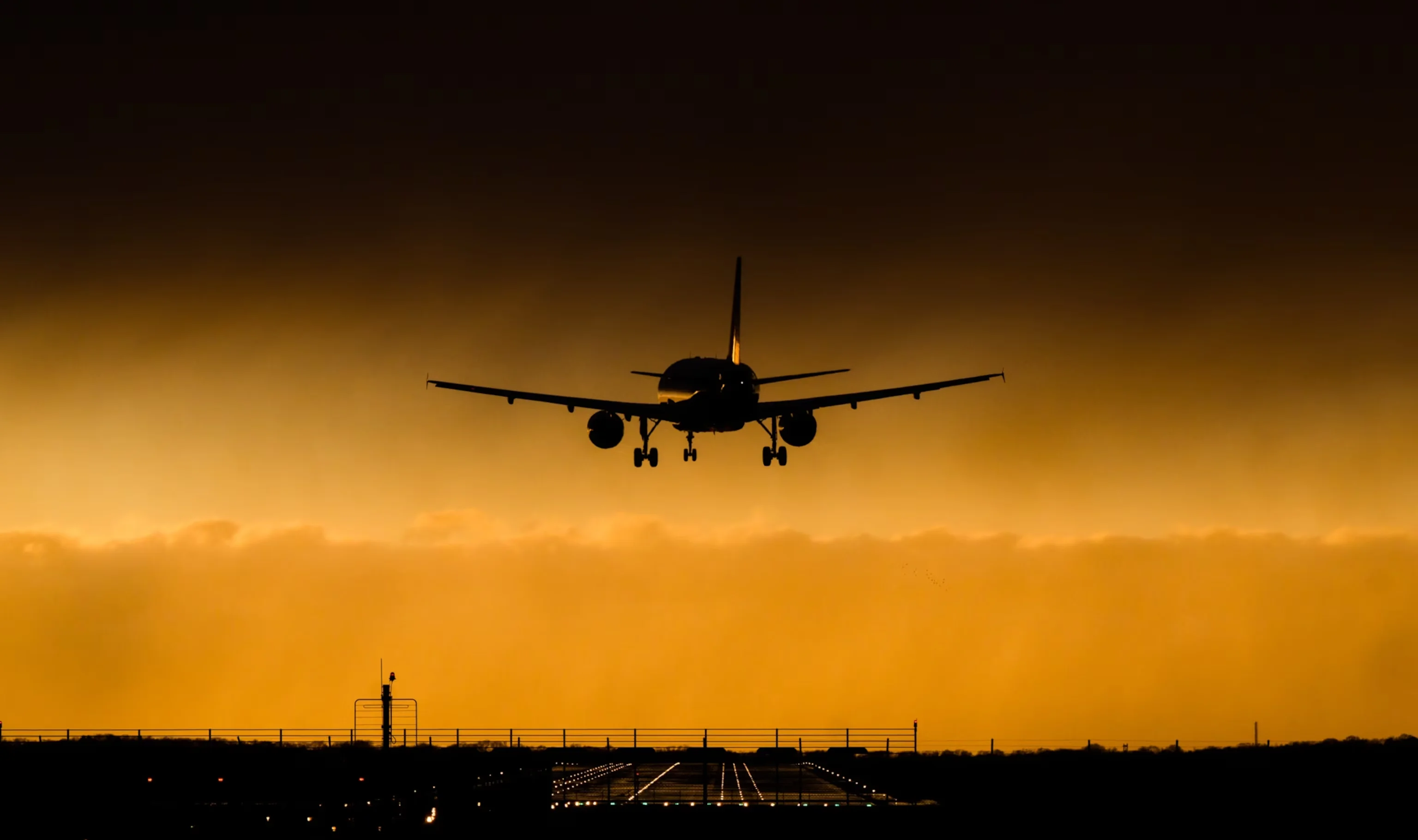
The transition from two pilots to single-pilot operations—and eventually fully autonomous flight—is no longer a question of "if," but "when."
For decades, the commercial aviation industry has operated on the immutable principle of redundancy: two engines, two hydraulic systems, and, crucially, two pilots. However, advancements in artificial intelligence and automation are accelerating a paradigm shift that could fundamentally alter airline operations by the next decade.
Manufacturers like Airbus and Boeing have already demonstrated advanced autonomous capabilities, from automated taxiing to emergency descent protocols. The immediate goal is "Reduced Crew Operations" (RCO), aiming to decrease the required cockpit crew during the cruise phase of long-haul flights.
The Regulatory Landscape
The technological barriers to RCO are rapidly diminishing, but the regulatory hurdles remain formidable. The Federal Aviation Administration (FAA) and the European Union Aviation Safety Agency (EASA) are engaged in rigorous evaluations of the safety implications.
Stay Ahead of the Market
Get the latest aviation intelligence delivered to your inbox daily.
Pilot unions, notably the Air Line Pilots Association (ALPA), have voiced strong opposition, citing the irreplaceable value of human judgment in anomalous situations. The debate centers on the acceptable threshold of risk and the definition of equivalent safety.
Impact on Pilot Demand
Paradoxically, the push for automation coincides with an acute global pilot shortage. While some argue that RCO could alleviate the strain on airlines, others caution that it might deter prospective cadets from entering an industry seemingly determined to engineer them out of the cockpit.
However, our analysis suggests that for the foreseeable future, the demand for highly trained aviators will remain robust. The transition period will likely require a new breed of pilot—one who is as adept at systems management as they are at manual flying.